Most students do not suddenly wake up one day completely lost in maths. It usually happens slowly.
One confusing lesson gets brushed aside because there is homework due in another subject. Then another topic arrives before the first one properly makes sense. A few weeks later, the student is sitting in class copying equations off the board while secretly hoping nobody asks them a question. That feeling can become exhausting pretty quickly.
A lot of students who struggle with maths are not lazy or careless. They are simply trying to keep up while carrying gaps they never really had time to fix properly. That is one reason for Interactive Online Math Classes with Expert Tutors has become such a lifeline for many students and families lately. Sometimes students do not need more pressure. They just need a different environment where things finally make sense again.
Falling Behind Feels Worse Than Most Adults Remember
Adults often forget how stressful school feels when you stop understanding a subject.
Maths especially has a way of snowballing. If a student misses one important concept, the next chapter often depends on understanding the previous one first. Suddenly even basic homework starts taking forever because every question feels connected to something confusing underneath.
In reality, students usually notice they are falling behind long before teachers or parents do.
A Year 10 student from Brisbane described it perfectly during a tutoring session once. She said:
“At first I thought I was just having a bad week. Then suddenly everybody else seemed to know what was happening except me.”
That feeling is incredibly common.
Why Students Need Extra Math Support Outside the Classroom
Most school teachers are doing the best they can. But classrooms move fast. There are time limits, crowded curriculums, different learning levels, and entire classes that need to stay roughly on schedule. Even great teachers cannot pause every lesson for twenty minutes because one student feels confused about a previous topic.
So students often do what teenagers naturally do. They stay quiet. Not because they do not care, but because nobody wants to feel embarrassed asking questions while everybody else seems to understand already.
That is where Private Math Tutoring starts helping a lot. Students finally get space to stop pretending they understand and actually ask the questions sitting in their head the whole time. In many cases, that relief alone improves confidence surprisingly quickly.
Why Online Math Learning Feels Less Stressful
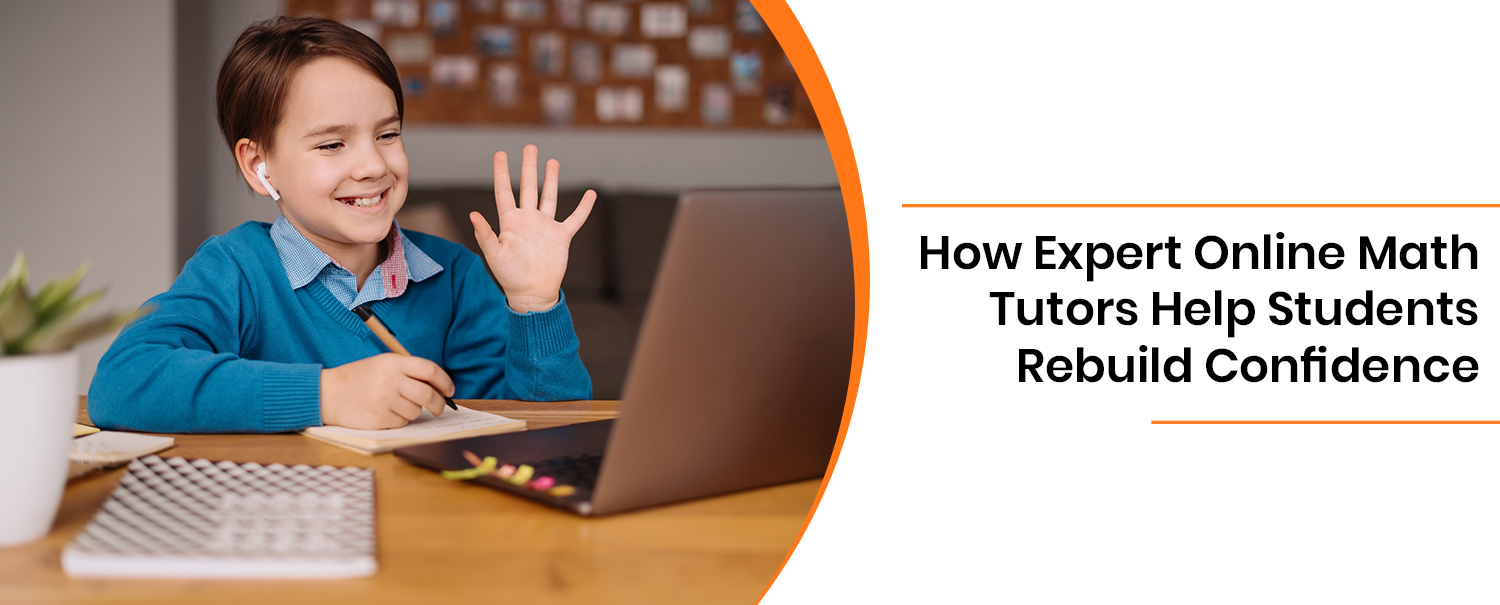
One thing many parents notice almost immediately with online tutoring is that students seem more relaxed at home. That matters more than people think.
A student sitting comfortably at their own desk usually feels less pressure than somebody rushing into a tutoring centre after a long school day already feeling frustrated and tired.
There is also less social stress. No crowded classroom. No fear of classmates overhearing mistakes. No awkward feeling of slowing everybody else down.
That is one reason Virtual Math Classes work surprisingly well for students who normally stay quiet in school environments. Once students feel safer asking questions, they often participate much more openly. In many cases, confidence starts returning faster than expected.
Why Students Fall Behind in Math Over Time
A lot of students struggling in high school are actually carrying problems from years earlier. Fractions were never fully understood. Basic algebra became shaky. Mental maths confidence dropped quietly somewhere along the way.
Then secondary school maths starts building on those weak foundations and everything suddenly feels much harder.
A Melbourne tutor once explained it really simply. He said most struggling students are not “bad at maths.” They are just trying to learn advanced topics while standing on unstable basics.
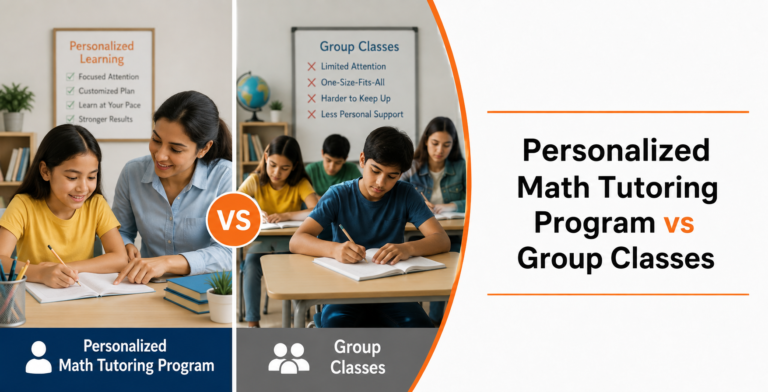
That is why personalised support helps so much. Students can finally slow down and repair the missing pieces instead of constantly racing ahead feeling confused.
Personalized Online Math Support Helps Students Learn Faster
Not everybody learns maths the same way. Some students need visual explanations. Others need repeated examples. Some understand quickly once concepts connect to real life. Others simply need more time than the classroom allows. Good tutoring adapts to the student instead of forcing every student through the exact same pace.
Some learners benefit from:
- Slower step-by-step breakdowns
- Visual problem solving
- Repetition without judgment
- Extra practice questions
- Real-world examples
- More conversational explanations
Students usually improve faster once learning stops feeling like constant pressure.
How Online Math Support Improves Student Confidence
Grades matter, obviously. But parents often notice emotional changes before academic ones.
The arguments around homework are reduced. Panic before tests softens slightly. Students stop shutting down completely every time maths appears.
One parent from Sydney shared that her son used to physically avoid the kitchen table whenever maths homework came out. After several months of support, he started attempting questions independently again without immediately assuming he would fail. That shift matters.
A student rebuilding confidence usually starts making academic progress naturally afterwards. This is another reason online math coaching has become so popular. Families are not only looking for better marks anymore. They want to learn to stop feeling emotionally drained every night too.
Flexible Online Math Classes Fit Busy Student Schedules
Australian families are busy. School, sport training, part-time jobs, music lessons, and long commutes – fitting tutoring into the schedule sometimes feels harder than the math itself.
Online learning removes a lot of that logistical stress. Students can finish dinner, log into class from home, and still have time left in the evening afterwards. Parents avoid extra driving across suburbs after work, and students stay more consistent because sessions fit naturally into normal routines.
That consistency usually matters more than giant study marathons anyway. Regular smaller sessions often help students catch up much faster over time. Many online tutors also use progress tracking, topic-based assessments, and personalised revision plans to help students improve more consistently over time.
Online Math Help for Senior and SAT Students
Senior students often experience an entirely different type of stress. By years 11 and 12, math stops feeling like “just another subject” for many students. University goals start feeling real. Some students prepare for international applications alongside school exams too.
This is where online SAT math classes have become useful for students aiming toward overseas universities or standardised testing preparation.
Targeted online support allows students to focus specifically on:
- Timed exam strategies
- Weak topic revision
- Practice testing
- Problem-solving speed
- Confidence under pressure
Structured support during that stage often reduces panic significantly.
Some Students Simply Thrive Online
A lot of parents still assume face-to-face tutoring automatically works better. That is not always true.
Some students focus far better online because distractions reduce dramatically. Others like being able to revisit notes digitally or share screens during problem solving instead of struggling to follow crowded whiteboards.
Students who feel socially anxious in classrooms also often become more comfortable participating online. And once students start engaging properly instead of silently panicking, improvement tends to happen much faster.
Catching Up Early Makes Everything Easier Later
One difficult thing about math is that problems rarely stay isolated. Weak fractions affect algebra later. Weak algebra affects advanced equations later. Small gaps eventually create bigger stress if nobody addresses them early. That is why getting support sooner usually matters.
Students do not need to become “top of the class” overnight. They simply need enough understanding to stop falling further behind every term. Even small improvements build momentum.
Final Thoughts
Falling behind in maths feels much heavier for students than many adults realise. It affects confidence, motivation, classroom participation, homework routines, and sometimes even how students see themselves academically overall.
That is exactly why online math classes continue helping so many students catch up successfully. Flexible learning, personalised explanations, and lower-pressure environments often give students something they were missing in crowded classrooms — enough space to actually understand things properly.
Once students stop feeling embarrassed about struggling, learning maths usually becomes far less stressful than they expected.